


Cézanne at the musée Granet
A native of Provence, the father of modern art enjoys pride of place in the museum’s exhibition spaces, once explored by the artist himself.
I am the primitive of a new art.
Henri Pontier, museum curator and director of the Aix drawing school from 1892 to 1925, is said to have declared, “As long as I live, no Cezanne shall enter the Musée d’Aix!”
This initial hostility towards Paul Cezanne’s work (1839–1906) in Aix-en-Provence was echoed by critics and the broader public. One notable exception was Paris art dealer Ambroise Vollard (1866–1939), who fi rst took an interest in Cezanne’s work in 1895. After the artist’s death, he secured a large number of his works, helping place many of his future masterpieces in major collections in the United States and Russia. It took a later generation of artists — including Picasso, Braque and Matisse — to recognise Cezanne as “the father of modern art”.
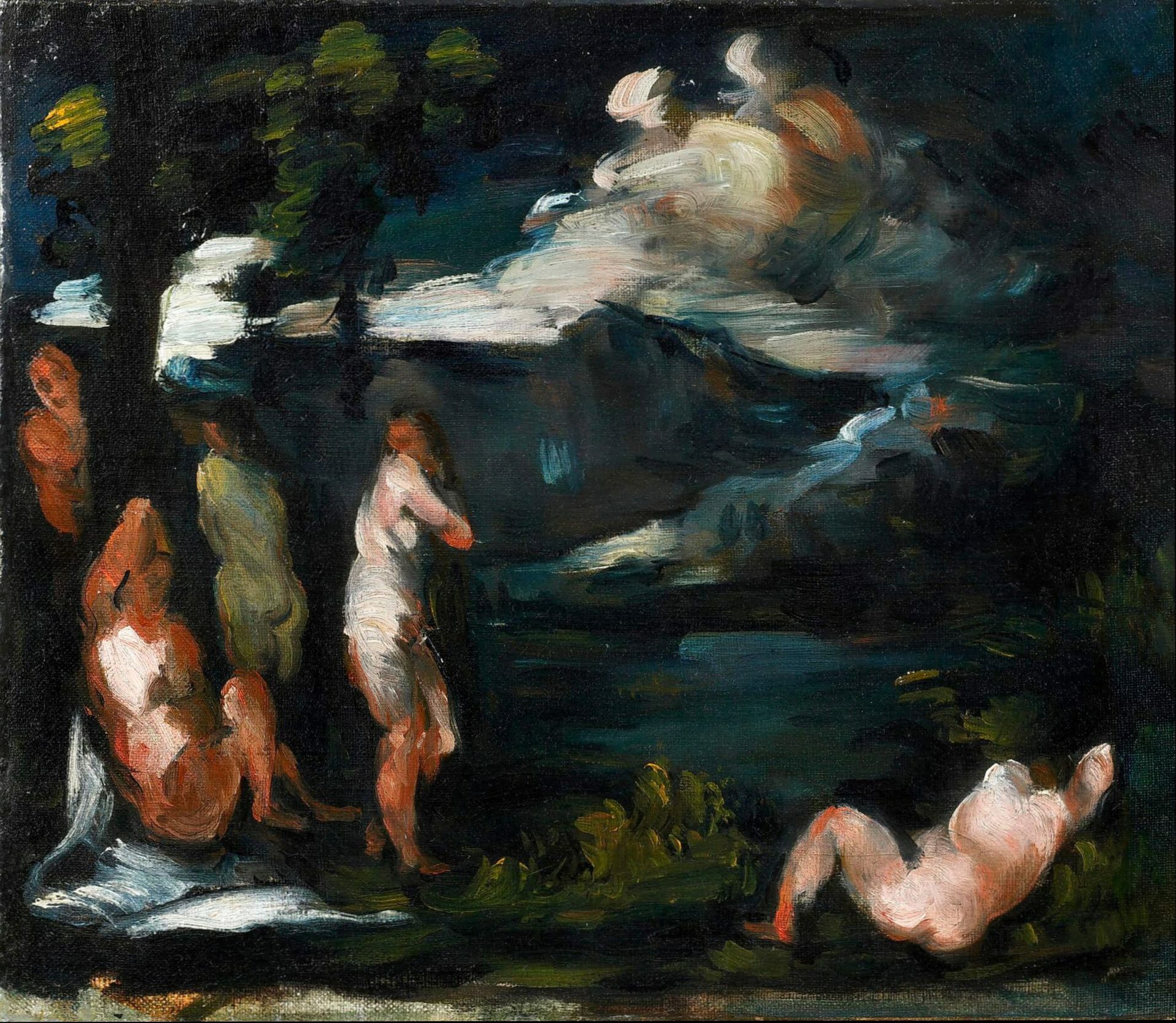
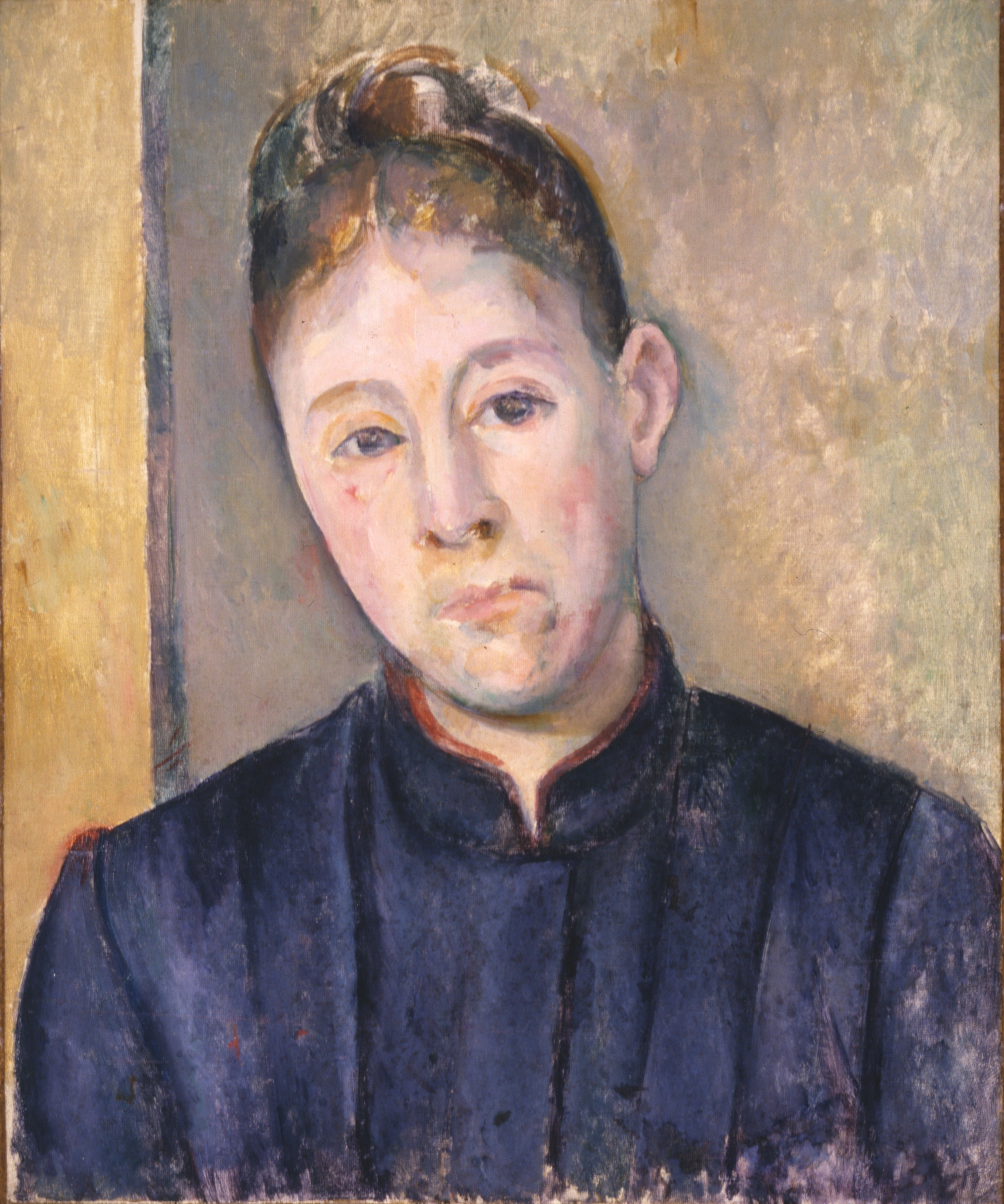
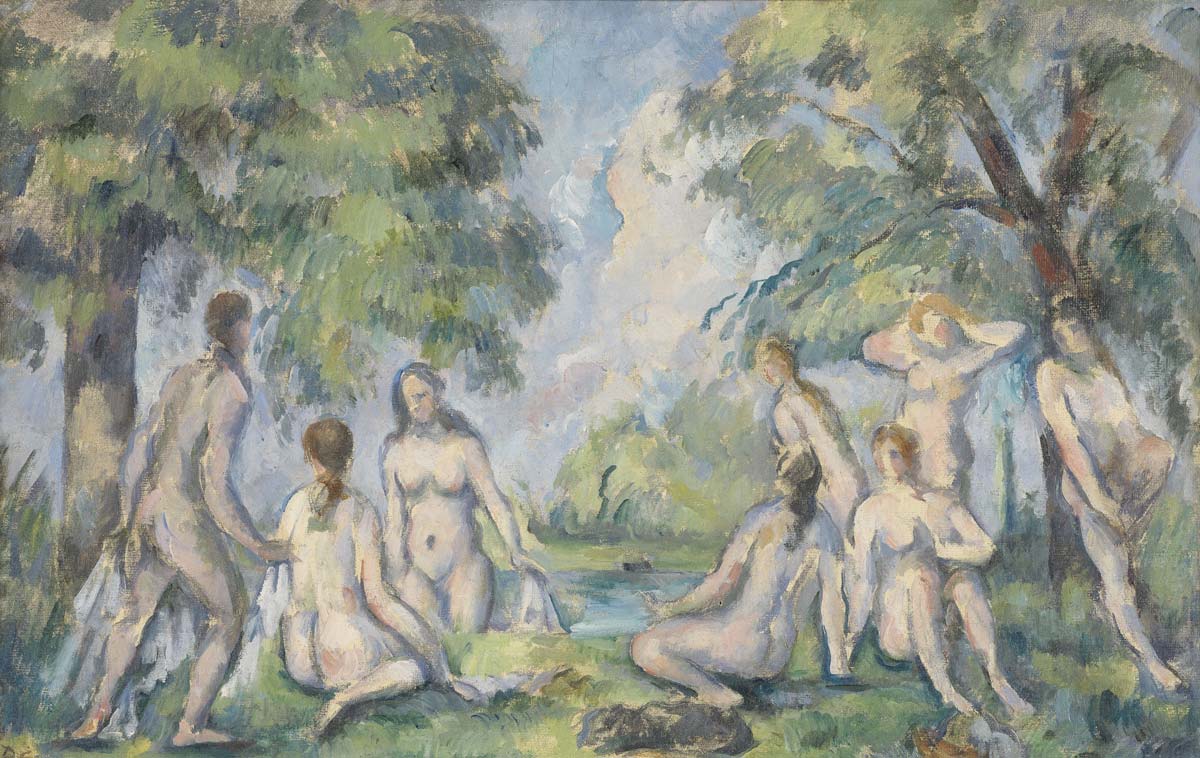
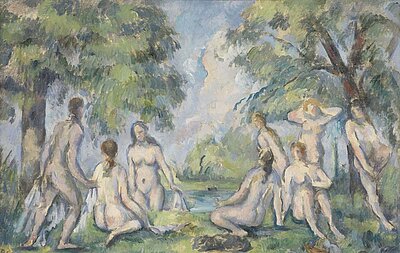
The French government permanently loaned eight Cezanne paintings to the Musée Granet in 1984. This collection traces his artistic development over nearly half a century, from The Kiss of the Muse, painted at the Aix drawing school, to mature works such as the Portrait of Madame Cezanneand The Bathers. Since then, Aix-en-Provence and the Musée Granet have worked to deepen understanding of the artist’s connection to his native city through an ambitious programme of exhibitions and acquisitions of his paintings, archives and personal objects.
In 2011, the museum acquired Cezanne’s only known portrait of his friend, the writer Émile Zola.These acquisitions restore Cezanne to his rightful place in Aix-en-Provence.
2025, A new hanging, new works by Paul Cezanne
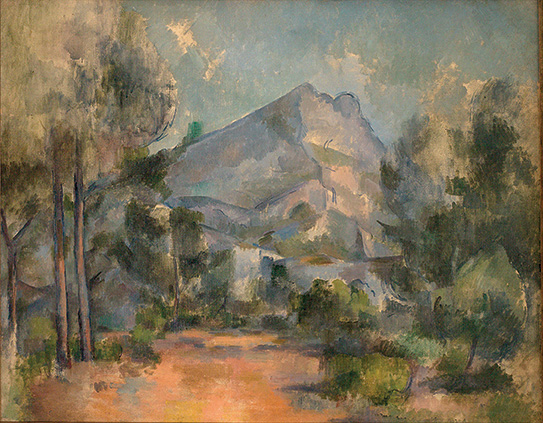
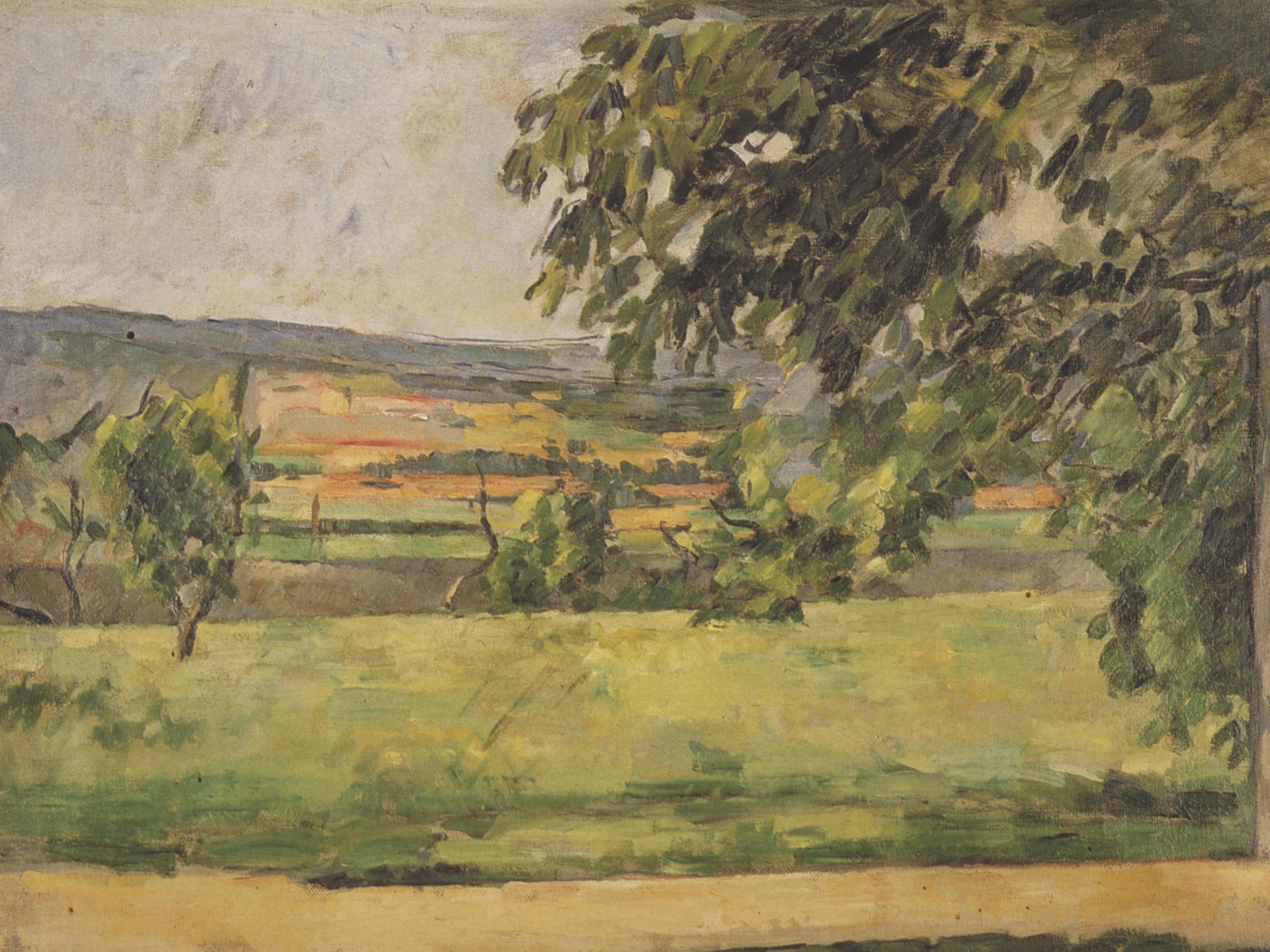
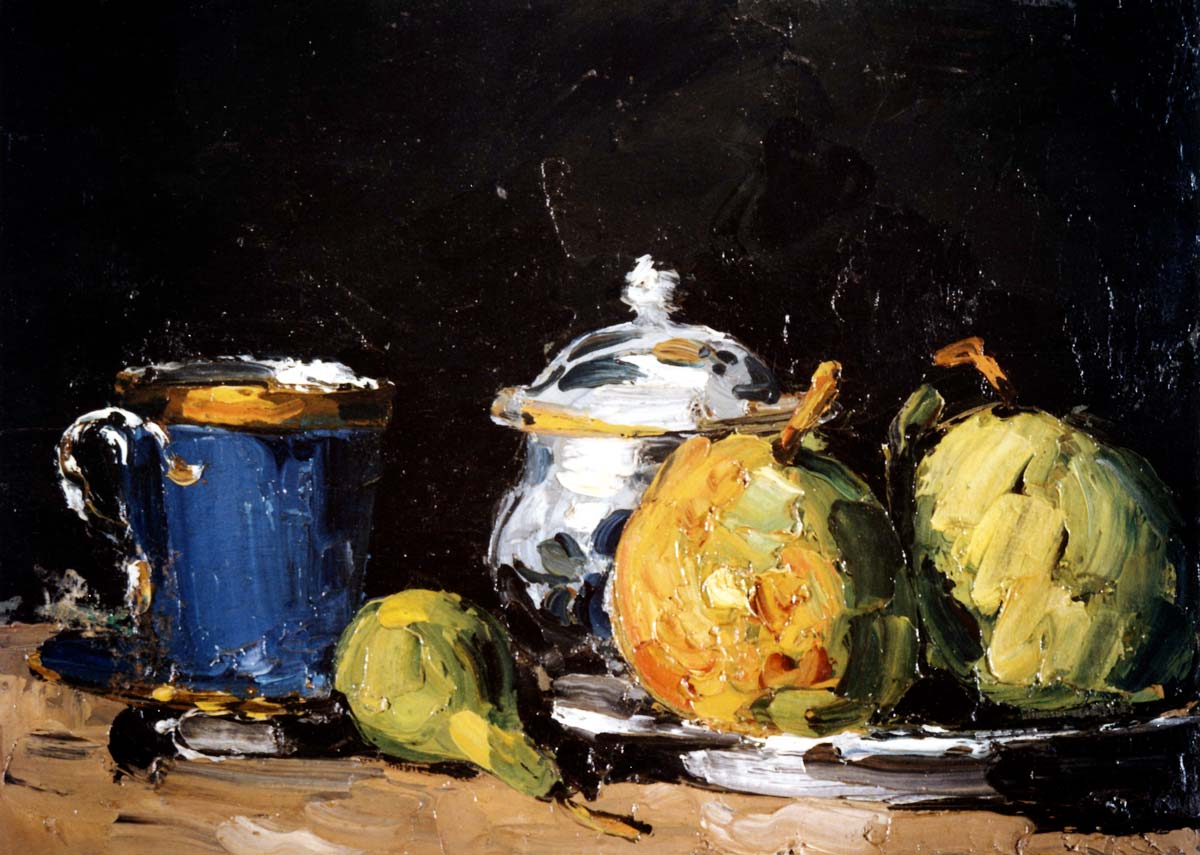
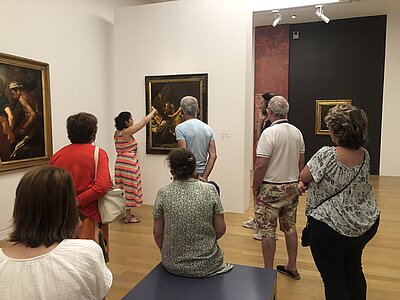
Following the success of the major exhibition ‘Cezanne at Jas de Bouffan’ – two galleries are now dedicated to the work of Paul Cezanne. This new exhibition showcase the stylistic evolution of the artist, from his early works created at the drawing school in Aix-en-Provence and on the walls of Jas de Bouffan, to his later paintings between the Provençal countryside and the Lauves studio.
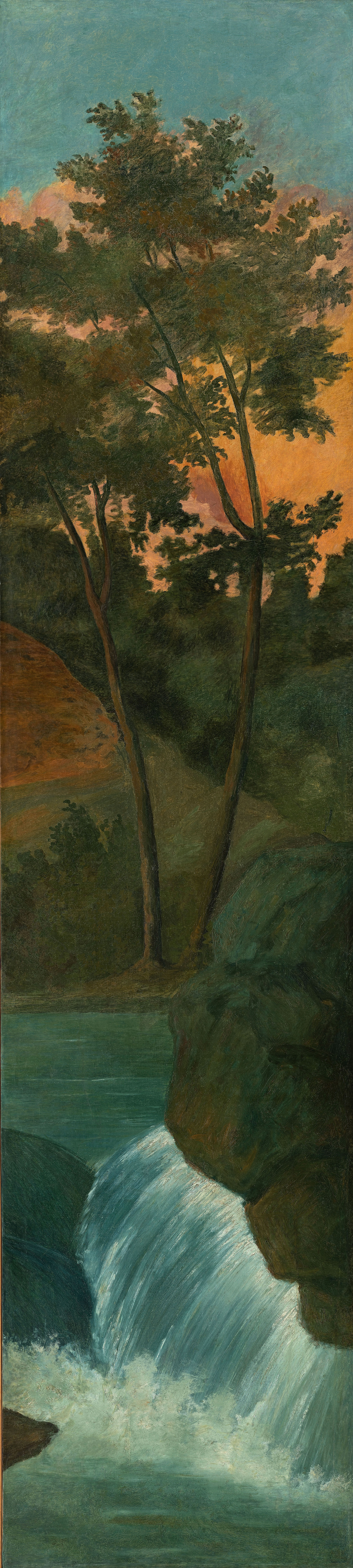
This evolution is particularly illustrated by the recent donation by Marc and Edouard Larock, Waterfall, the loan from the Kunstmuseum in Bern, Mont Sainte-Victoire or Bathers in Front of Sainte-Victoire Mountain, on deposit from the D.G. Cazeau collection.
In pictures